“Beat the winter blues”

Hello everybody,

We have another ‘beat the winter blues’ event happening on the 25th of January 2019 at 7pm at my studio. We will gather to discuss psychological challenges of living abroad. It will be an interactive event, so please be prepared to contribute! Please do come along, but please send me an email to info@stoeckl-psychotherapie.at to R.S.V.P

Please find more information on the Facebook site

https://www.facebook.com/counsellingTyrol/

Andrea

Does Seasonally Affective Disorder exist?

When the days get shorter and the sun seems to disappear earlier day by day, when the January skies are grey in grey and when February seems an endless eternal night, some of us develop seasonally affective disorder, also referred to as SAD. Once Christmas and the New Year’s Celebrations are over and done with, winter just never seems to end. Some people then develop symptoms of depression, even though they are usually not suffering from this debilitating condition. Why is that the case? Biologically speaking, our levels of serotonin – the neurotransmitter that is held responsible for our mood regulation – change. At the same time, our melatonin levels also change: Melatonin is the hormone that regulates our sleep patterns. We feel sleepy during the day and find it difficult to get up in the morning. With the sun vanishing earlier from our daily lives and returning later in the morning, our bodies also go into hibernation. So yes, seasonally affective disorder does indeed exist. We should thus not be surprised when our moods are lower in the winter months and our lives sometimes seem grey and meaningless. How can we combat the winter blues, though? As with a lot of other challenges that our minds have to deal with: it is always best just to welcome these symptoms into our lives. Acceptance offers just that little space of control over our lives that we seem to lose when we feel sad and depressed. It is always better to read a good book on the sofa in those long winter months rather than continuoulsy check our apps for the most recent updates in sunset and sunrise times (as I sometimes do), hoping that magically the sun will set at 21:30 tomorrow rather than at 16:30, as it currently does in my timezone. The most important thing, however, is to realise that you are not clinically depressed: SAD does affect your mood, but it is easy to remedy it by discussing it with a good mental health professional and developing a plan to overcoming it.

Before we even know it, spring will be on its way, we will frolic again in the springtime meadows, and then summer will bring another psychological challenge: Reverse seasonal affective disorder! For those of you who suffer from that, here is a link to it: https://www.psychologytoday.com/blog/brain-babble/201501/reverse-seasonal-affective-disorder-sad-in-the-summer

Flowers and Snow

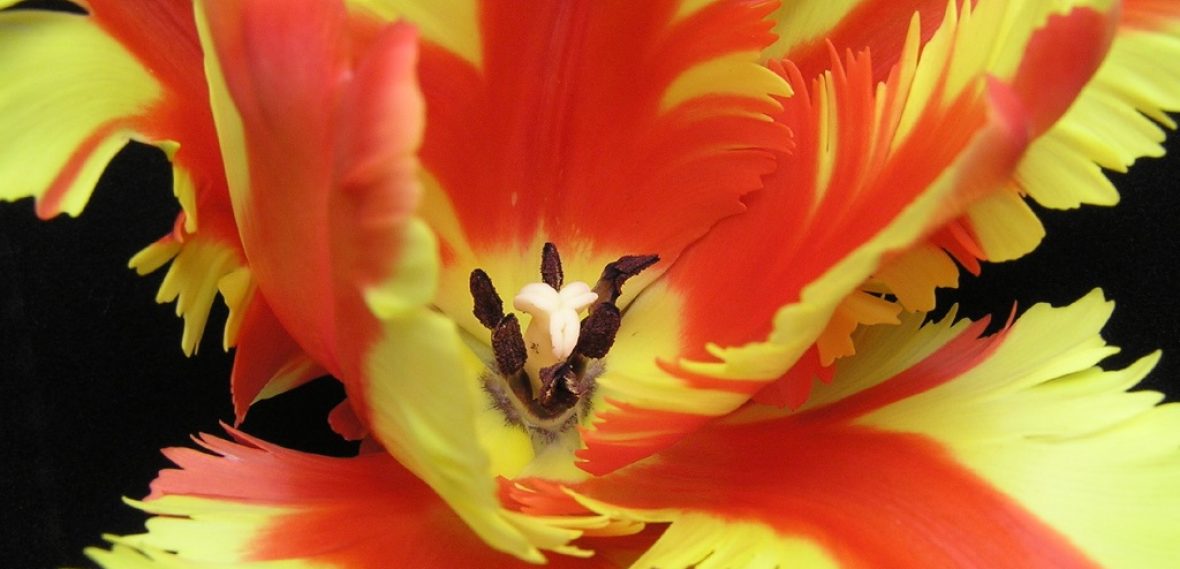
IMG_1591Most of us want to open up like flowers in the spring, we want to attract other beings – be it bees who land on us, or children and adults who smell our scent. But sometimes we feel like a landscape in winter where only a tiny footpath reminds us that there is another world out there. In my counselling sessions, I offer you to find this often hidden world again!

moving to another country

When we move to a new country, be it for work, for a degree, or for love, the initial excitement of starting a new life might soon be replaced with a feeling of loneliness that creeps up on us. Sometimes we are not even aware of it, and sometimes these feelings can turn into a depressive state that is difficult to shake off. In your home country, you might have sought the help of a counsellor or a psychotherapist, but in a new country with a new language, this is not always an option. Expressing your inner thoughts to someone who might not understand your language is not always easy. Thus, what would have been an easy option in your own country turns into another nightmare in the new country. But despair not, help is at hand! I have recently opened the first English-speaking counselling and psychotherapy studio in Innsbruck in the beautiful Tyrol and I hope to hear from you! I have lived abroad for half of my life and have recently returned to my own country. I thus not only have experienced what you are probably going through yourself right now, but I also speak your language.

What is counselling?

Counselling and psychotherapy help us to rejoin the flow of life when it has been interrupted. It enables us to live life to the full and enjoy our lives, with all the obstacles that it throws at us. No life is free of pain, loss, bereavement, anxiety and sadness. Sometimes, however, we feel that we are reacting in ways that we cannot control; we erupt with anger, but actually we are sad. We are terrified of spiders, but actually we fear being lonely. We develop obsessive compulsory behaviour, but actually we are just afraid of not being loved and accepted by others. We get depressed and loose the will to get up in the morning because we feel that there is no meaning in the world. Nothing makes sense anymore, everything is devoid of meaning. We loose trust in ourselves, we think we are not worthy of love, we doubt that we are capable being good people, and we feel lost and lonely, far away from others. We have lost the ability to connect and feel that others don’t connect with us.

Counselling helps to understand these phenomena. It helps with finding solutions and with finding a way back into the flow of life. Counselling usually lasts between 10 to 20 hours and can be done weekly or bi-monthly. Psychotherapy kicks in when we do not understand ourselves anymore, when depression has been lingering for too long, when we consistently feel down, sorrowful and angsty.

In psychotherapy, we usually try do delve deeper into our biography to discover where these feelings come from, Then we can readjust our sense of ourselves and the world around us. We sometimes become aware that there is no longer a need for some of our behaviours and emotions. We can give negative emotions back to whom they belong and lead a happier, emotionally lighter life in the here and now. We can reconnect with our authentic selves, the selves that deserve love and respect, rather than sadness, aggression and mind-games.